






Key Takeaways
- The Rosario Islands consist of 27 small islands located about 35 km southwest of Cartagena, Colombia, famous for coral reefs, clear water, and a relaxed beach vibe.
- Most visitors book a full-day boat tour from Cartagena that typically covers three to five islands plus Playa Blanca on the Barú Peninsula.
- The best time to visit is during the dry season from December to April, when seas are calmer and visibility is best. Tours depart around 8:00–9:00 a.m. and return by late afternoon.
- Planning ahead matters in high season: book early, confirm what’s included (transport, lunch, snorkel gear), and bring cash for national park fees (~COP 13,500) and dock fees (~COP 18,000).
- Crowds at popular stops like Cholón and Playa Blanca can be intense-prefer weekday visits or ask your operator about quieter alternatives within the archipelago.
Introduction to the Rosario Islands
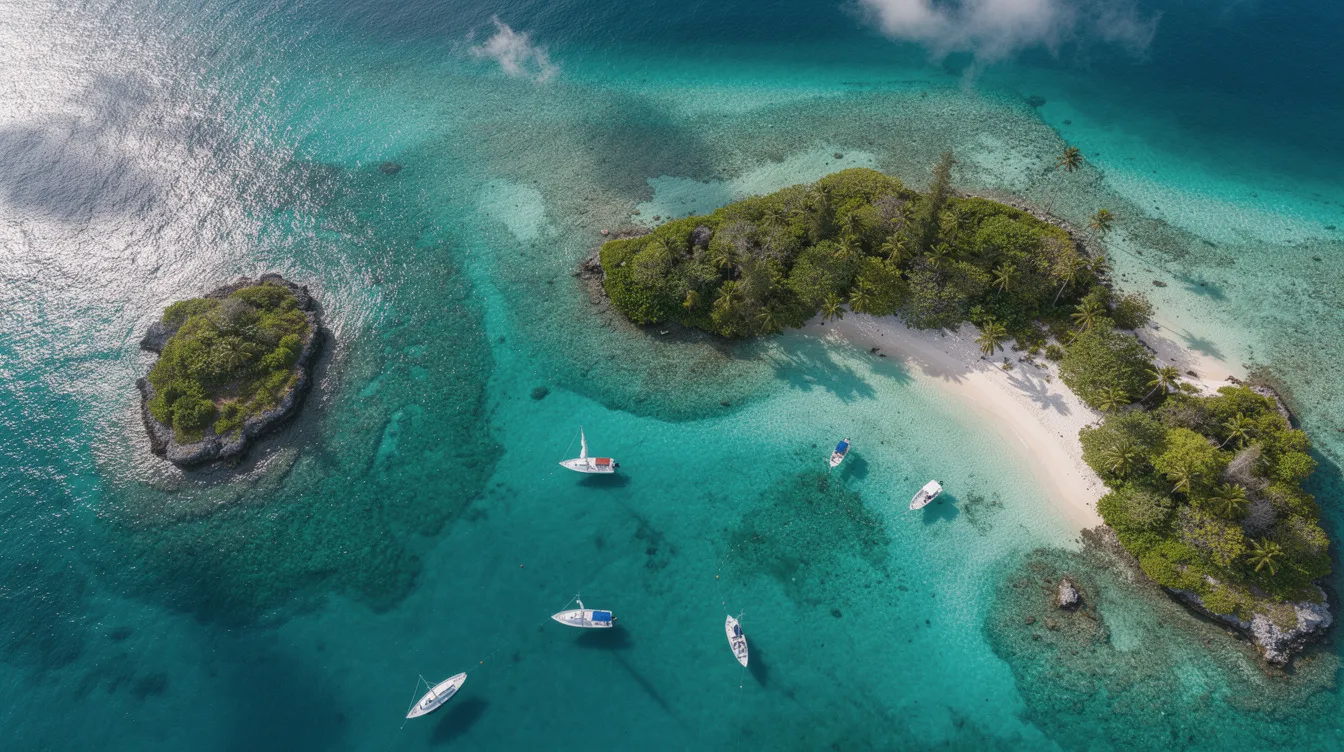
The Rosario Islands are a protected Caribbean archipelago of 27 small coral islands, forming part of the Corales del Rosario y San Bernardo National Natural Park. Located off the coast of Cartagena, Colombia, the islands are about one hour away by speedboat. The marine park protects coral reefs and exceptional biodiversity, including around 170 fish species, 52 coral species, and more than 60 bird species along with numerous marine and terrestrial species.
You’ll find turquoise water, white-sand beaches, snorkeling, and laid-back beach clubs-a classic escape from the city’s walled streets. Well-known spots include Isla Grande, Isla Rosario (home to the Oceanarium), Isla Cholón, and nearby Playa Blanca on the Barú Peninsula. The park was created in 1977 to safeguard Colombia’s reef ecosystems, which shapes the rules you’ll hear about conservation and visitor behavior during your trip.
How to Get to the Rosario Islands from Cartagena
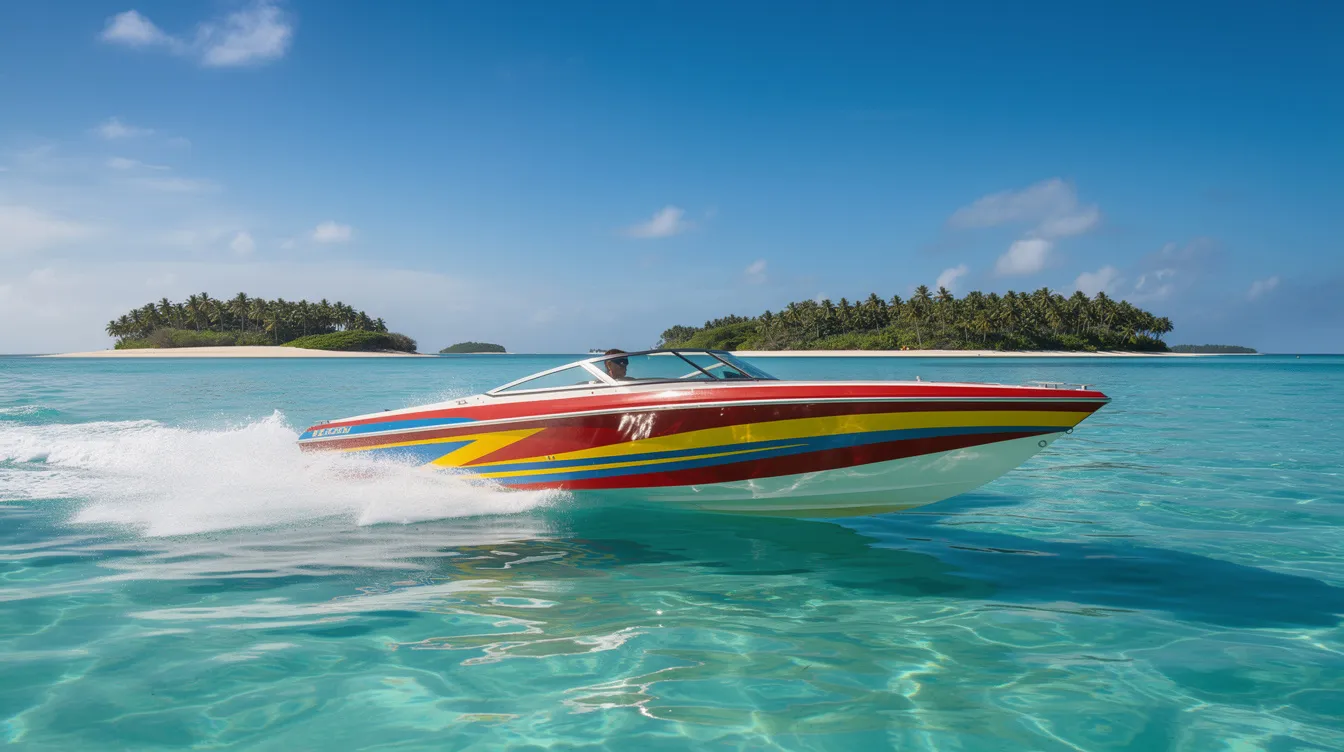
Almost all trips start from Cartagena’s Muelle de la Bodeguita, the main tourist dock, with departures between 8:00 and 9:00 a.m. The islands are accessible by boat from Cartagena, and budget-friendly boat rentals in Cartagena and guided boat tours are available for island hopping and exploring secluded coves in the archipelago.
Here’s a quick breakdown of your transport options:
|
Option |
Travel Time |
Cost (COP) |
Best For |
|---|---|---|---|
|
Shared speedboat |
45–75 min |
90,000–180,000/person |
Budget travelers |
|
Premium day tour |
45–60 min |
180,000–300,000/person |
Beach club access, food included |
|
Private charter |
Flexible |
800,000–1,500,000/group |
Families, couples, custom routes |
|
Public lancha |
90–120 min |
Lower, variable |
Adventurous solo travelers |
|
On top of tour costs, expect to spend about COP 40,000 total for park entrance, dock, and insurance fees, often paid in cash at the pier. Book in advance for weekends, Christmas–New Year, Easter, and June–August. Confirm whether hotel pickup is offered or if you need to find the dock on your own. Bring a printed or mobile voucher, a passport copy, and small bills in COP for drinks, snacks, and local vendors. |
|
|
|
Main Islands and Highlights
Not every tour makes the same stops, and different Rosario Islands routes for partying, relaxing, or family days will shape your experience. Here are the places you’re most likely to discover:
- Isla Grande is the largest island, known for rustic eco-lodges, mangrove channels you can explore by canoe or on foot, and a more relaxed atmosphere. Local Afro-Colombian culture can be experienced in the community of Orika on Isla Grande, where you’ll find authentic food and music. Some tours stop here for swimming and lunch, while others use private boat rentals to visit Isla Grande on a customizable schedule.
- Isla Rosario hosts the Oceanarium, a popular marine eco-tourism center where visitors see dolphins, sea turtles, sharks, and local fish. Conservation-focused guides to Isla Rosario and nearby hidden islands highlight why this area is so ecologically important. Entrance fees are usually extra and paid on-site.
- Cholón is the lively party island. Boats anchor in the shallows, floating bars serve drinks, and the music is loud. If you prefer a social, festive vibe, luxury yacht and boat tours from Cartagena often build Cholón into the route. If you prefer quiet, skip it.
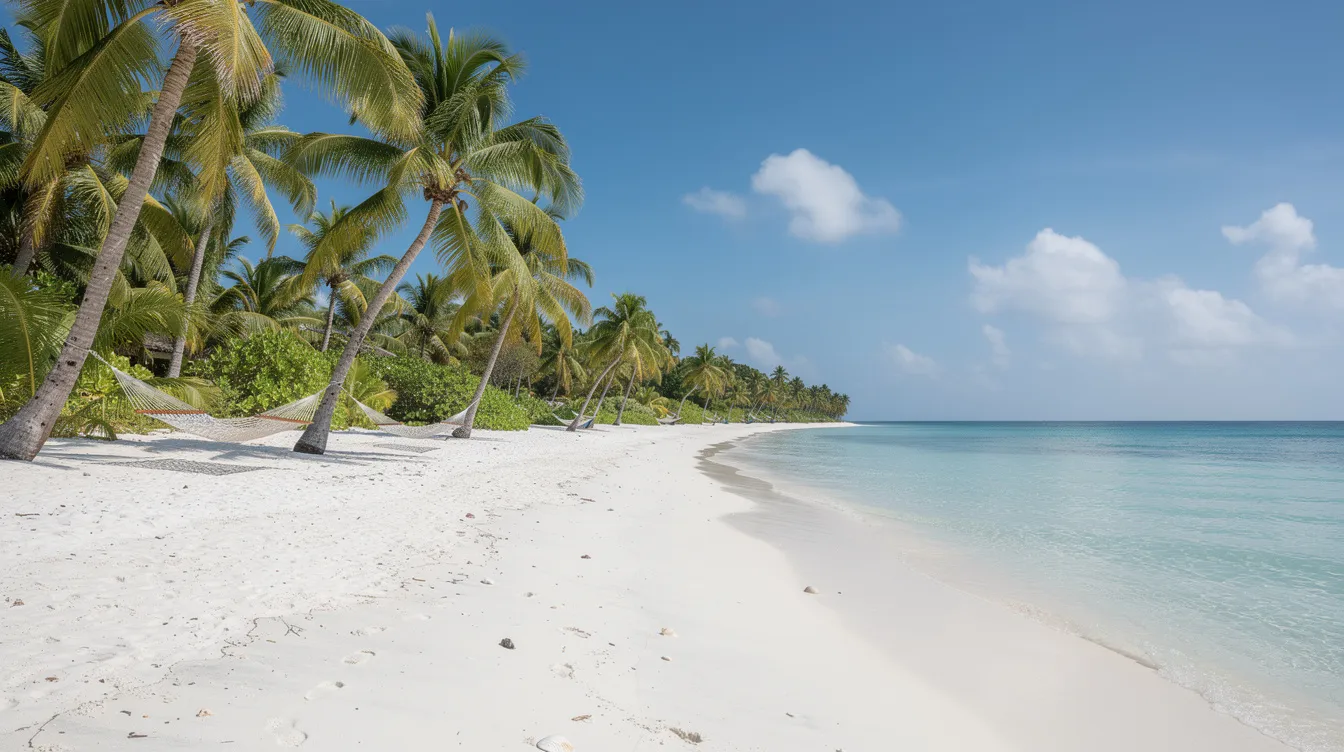
- Playa Blanca, on Barú, is not technically one of the Rosario Islands but appears on most combo tours. It’s a long strip of white sand lined with beach restaurants and hammocks for a couple of hours of relaxation after lunch.
The surrounding reefs are rich in tropical marine life, and some tours add brief reef stops at lesser-known, more pristine islets just offshore for snorkeling, including hidden protected islands near Cartagena that are especially vulnerable and carefully managed.
Typical Day Trip Itinerary & Activities
A classic Rosario Islands boat tour from Cartagena follows a predictable flow. Day trips often visit three to five islands in one day, and here’s roughly what to expect:
- 8:00–9:00 a.m. – Depart from La Bodeguita dock
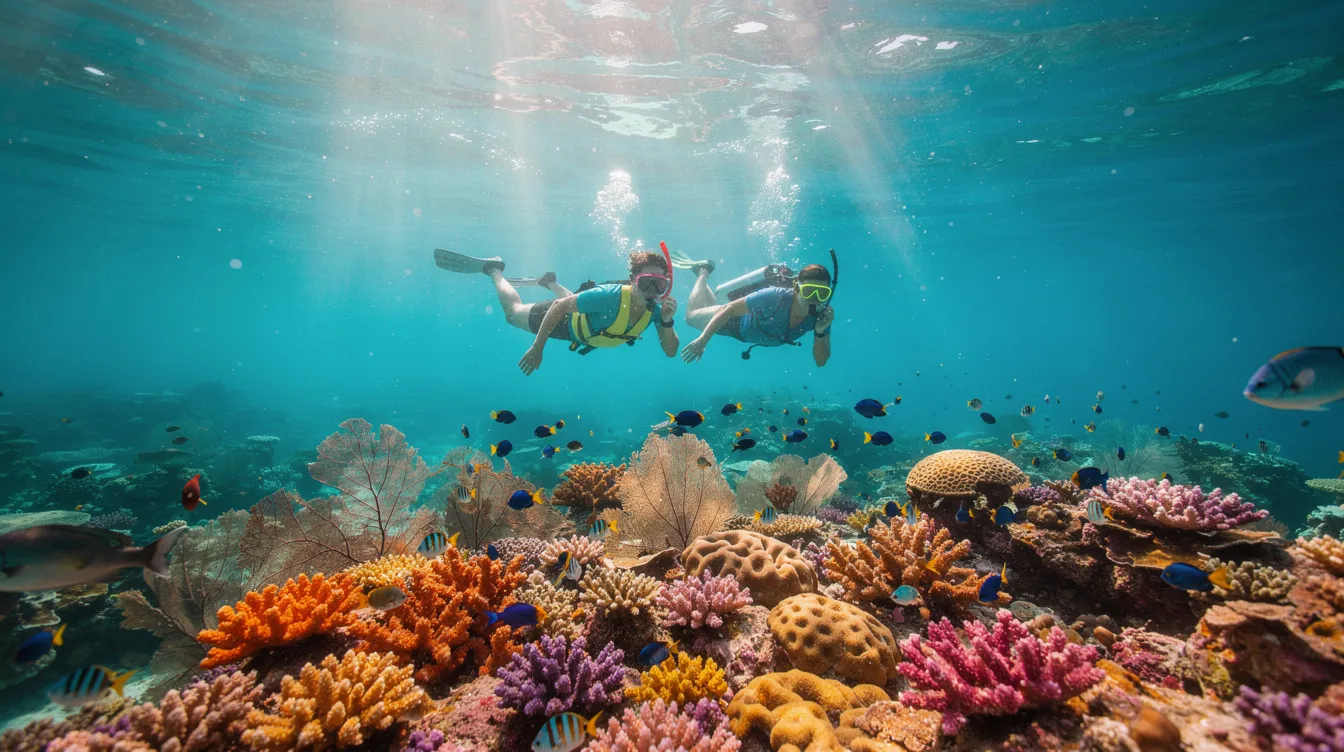
- Mid-morning – Snorkel stop over coral reefs (mask and tube provided)
- Midday – Arrive at an island for lunch, swimming, and sunbathing on beautiful beaches
- Early afternoon – Visit Cholón or Playa Blanca
- 3:00–4:00 p.m. – Return to Cartagena before sunset
Visitors can swim and snorkel in the clear waters, and activities include snorkeling, scuba diving, kayaking, and paddleboarding depending on the operator. You can also snorkel in the coral reefs surrounding the islands at dedicated reef stops.
Reputable tours typically include transport, a bilingual guide, lunch, snorkel equipment, and basic travel insurance, and some upscale yacht and boat island tours add options like catering, bartenders, and premium water toys. Extras like alcoholic drinks, beach beds, towels, and water sports are usually add-ons. The boat ride can be a bit bumpy, especially on the return when afternoon wind picks up-if you’re prone to seasickness, sit near the back and come prepared with motion-sickness medication.
For travelers who prefer a slower pace, overnight stays on Isla Grande let you enjoy bioluminescent night swims-a popular activity that day-trippers completely miss.
Practical Tips, Safety & When to Go
This section will help you arrive prepared and enjoy the day without surprises.
What to bring:
- Reef-safe sunscreen (high SPF), hat, sunglasses
- Swimsuit, flip flops or water shoes
- Waterproof bag for phone and cash
- Dry clothes for the ride back
- Refillable water bottle
The Caribbean sun is relentless and shade on boats is limited, so hydrate constantly. You can add extra water bottles on the islands if needed.
Safety notes: Life jackets are on board. Rough seas occasionally cause cancellations or schedule changes-agree to flexible expectations. Pregnant travelers or people with spinal issues should consult a doctor before joining a bouncy speedboat trip.
When to go: The climate is warm year-round (27–30°C). The dry season from December to April offers the sunniest days, calmer seas, and water visibility above 10–15 meters. The rainy season, strongest from September to November, brings reduced clarity and choppier crossings.
Etiquette: Respect coral reefs by not touching or standing on them. Avoid littering. Support local vendors responsibly-you don’t need to agree to every upsell, but a good tip goes a long way with people who live on these islands.
Where to Stay and How to Choose a Tour
You have two main ways to experience the Rosario Islands: a day trip while staying in Cartagena, or an overnight at an island eco-hotel or beach lodge.
Overnight stays on Isla Grande run approximately USD 150–300 per night for two people with meals. Expect quieter evenings, starry skies, limited entertainment, and simpler infrastructure-weaker Wi-Fi, intermittent hot water, but views you won’t find in the city. Guides to the top hotels in the Rosario Islands can help you compare amenities and locations. You can also explore mangrove areas by canoe or on foot near Isla Grande at your own pace during a longer stay.
How to choose a tour:
- Read recent reviews and check group size before you book
- Confirm whether the itinerary prioritizes quiet beaches or party stops like Cholón
- Verify exactly what’s offered and included in the price
- If you want to relax, look for itineraries with longer stops at one or two places instead of many quick photo stops
Weekday visits and early-morning departures help you avoid the heaviest crowds. Some operators offer themed trips-snorkeling-focused, family-friendly, or sunset returns, and you can even design routes that include Bora Bora Beach Club plus Rosario, Cholón, and Playa Blanca without committing to a full-day pass. Match the style to your energy level and share your preferences when continuing the booking conversation.
FAQ
Is Playa Blanca part of the Rosario Islands?
No. Playa Blanca is on the Barú Peninsula, not technically one of the Rosario Islands. However, many “Rosario Islands” boat tours combine stops in the archipelago with time at Playa Blanca because of its long white-sand beach and easy proximity. Don’t be surprised to see it on almost every itinerary.
Do I need to know Spanish to visit the Rosario Islands?
Most tour guides and basic tourist services around Cartagena speak some English. That said, knowing a few Spanish phrases helps with small purchases, negotiating extras, and understanding safety briefings. If you travel with a bilingual guide, communication won’t be an issue at all.
Can I visit the Rosario Islands without a tour?
Yes. You can book an overnight stay at an island hotel that arranges its own transport, or hire a private boat from Cartagena or Barú. Public transport options are limited, though, and most people find organized tours or hotel transfers the easiest way to get there. Leave a comment below if you have suggestions for independent travel routes.
Are the Rosario Islands suitable for children?
Many families visit with children, especially on calmer days during the dry week windows. Choose less party-oriented itineraries, bring life vests for smaller kids, and be prepared for sun, heat, and bumpy boat rides. Family-friendly tours with pool access on certain islands exist-ask your operator.
How much cash should I bring for a day trip?
Bring enough Colombian pesos for park and dock fees if not prepaid (around COP 40,000), plus extra for optional aquarium admission, drinks, tips, and small souvenirs. Card payments may not be available or reliable on the islands. A good rule of thumb: COP 100,000–150,000 in small bills beyond your tour cost covers a comfortable day without having to worry about running short.