






Cartagena is a coastal city known for Caribbean charm and colonial history, and it rewards visitors who show up with a plan. This guide covers the best things to do in Cartagena Colombia across every category: landmarks, food, nightlife, island escapes, and cultural day trips, with prices and schedules updated for 2026.
Key Takeaways
- Cartagena de Indias sits on Colombia’s Caribbean coast and centers on a UNESCO-listed walled city, the colorful barrio of Getsemaní, the Rosario Islands, and beach clubs like Bora Bora on Isla Cholón. It is one of South America’s most visited colonial cities and worth the flight.
- Plan for 4 to 5 full days to cover the old city, at least one island day trip, museums, street food, and nightlife without rushing. This guide works as a plug-and-play Cartagena itinerary for first-timers.
- Cartagena is generally safe in tourist zones with standard city precautions; the biggest risks are pickpockets and surprise vendor charges, not violent crime.
- The article is organized by theme: must-see landmarks, nightlife, food and coffee, day trips (Rosario Islands, Playa Blanca, San Andrés), and practical tips for money, weather, and accommodation.
- All activities, prices, and safety notes are specific to Cartagena, Colombia (not Cartagena, Spain) and reflect conditions as of mid-2026.
Where Is Cartagena, Colombia; And Why It’s Worth Visiting
This is Cartagena de Indias, founded in 1533 on Colombia’s Caribbean coast. It is not Cartagena, Spain, which sits on the Mediterranean and carries a different history rooted in the Spanish Civil War. The Colombian city is tropical, Afro-Caribbean in culture, and built around a fortified old town that has survived pirate sieges and colonial wars.
The setting makes the case on its own: a UNESCO-listed walled city facing the Caribbean Sea, narrow colonial streets lined with bougainvillea-draped balconies, and over two dozen islands within an hour’s boat ride. The climate is hot and humid year-round, with average highs near 32°C (90°F).
Why is Cartagena worth visiting in 2026? Direct flight options keep expanding. As of June 2026, 547 direct weekly flights connect the city to 21 destinations, including Miami, New York-JFK, Atlanta, and Bogotá. United is launching new nonstop service from Houston and Washington D.C. starting December 17, 2026, adding four flights per week from each city.
Who will love Cartagena:
- History lovers drawn to Spanish Empire fortifications, pirate battles, and Afro-Colombian heritage
- Beach seekers wanting clear water, coral reefs, and island day trips
- Foodies chasing Caribbean-Colombian cuisine, tropical fruits, and ceviche by the sea
- Nightlife travelers looking for rooftop bars, salsa clubs, and champeta street parties
Start With a Walking Tour of the Walled City and Getsemaní
A walking tour is the best first activity in Cartagena because it gives you a mental map of the old city, explains what you are looking at, and helps you decide where to spend time later. Many travelers who skip this step end up wandering past landmarks without understanding their interesting history.
Free walking tour groups depart daily from plazas near the Clock Tower and Plaza Santo Domingo, typically around 10:00 and 16:00. The afternoon tour is cooler and finishes near sunset. Paid private options (COP 60,000 to COP 120,000 per person) cover niche topics like Afro-Colombian history or colonial architecture in depth.
A solid walking tour covers both Centro Histórico and Getsemaní, hitting:
- Plaza de Bolívar and the Palace of the Inquisition
- The city walls with views over Bocagrande’s city skyline
- Plaza de la Trinidad in Getsemaní
- La India Catalina statue, which symbolizes Cartagena’s indigenous heritage
- Key churches and the Clock Tower, a landmark and historic entrance to the walled city
Book ahead online during high season (December through March, Semana Santa, and late June through August). On free tours, tip your tour guide at least COP 30,000 to COP 50,000; they rely on it.
Immerse Yourself in the Charm of the Walled City (Centro Histórico)
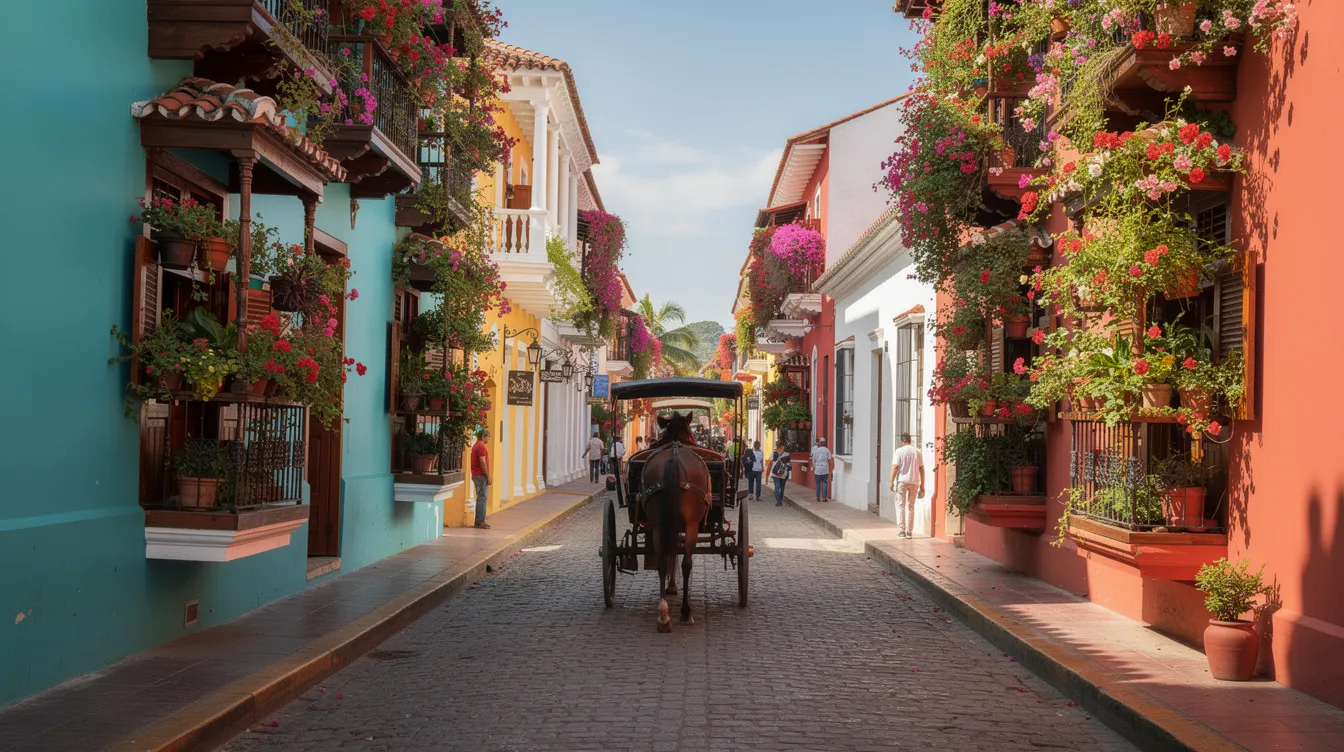
Cartagena’s walled city has been a UNESCO World Heritage site since 1984. This is the postcard area: cobbled streets, balconies spilling with flowers, and plazas where cumbia dancers and street performers set up after dark. Cartagena’s historic core is best explored early in the day to avoid crowds and the worst of the midday heat. Horse carriages still operate here; if you choose to ride one, check the horse’s condition first, as animal welfare concerns have grown in recent years.
Landmarks to visit:
- Plaza de los Coches and the Clock Tower, the formal entrance to el Centro
- Plaza de la Aduana, the largest square, surrounded by colonial administrative buildings
- Plaza Santo Domingo, home to Fernando Botero’s bronze sculpture “Gertrudis”
- Plaza de la Proclamación, a quieter square for sitting and people-watching
- Catedral de Santa Catalina de Alejandría, one of the oldest cathedrals in the Americas
Walk the old city walls at sunrise or sunset for free views over the Caribbean Sea and the Bocagrande skyline. Sunset views are popular from the city walls and lookout points near Café del Mar, and you can plan your evening using a guide to top must-see sunset spots in Cartagena; arrive early to claim a spot. Budget at least half a day for wandering, photographing doors and facades, and ducking into courtyards.
Explore the Colorful Streets of Getsemaní
Getsemaní is Cartagena’s second-oldest barrio, historically a working-class neighborhood of freed and escaped Africans. Today it is packed with murals, hostels, cocktail bars, and restaurants, but it still holds a local feel on side streets away from the main drag. Getsemaní is known for its vibrant nightlife scene, which makes it a natural base for younger travelers and solo travelers.
What to do and when to go:
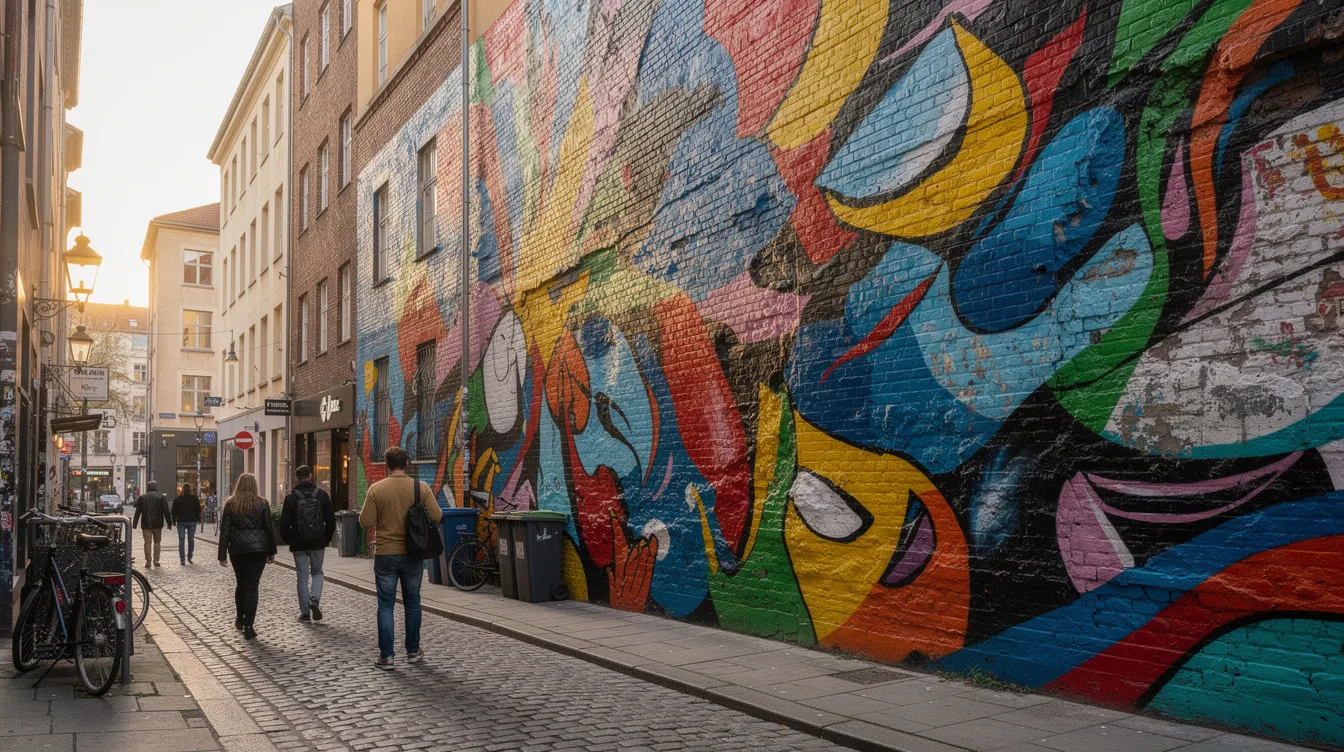
- Walk Calle de la Sierpe for the best street art, including murals by Colombian and international artists
- Find Callejón Angosto, the narrow alley strung with colorful flags and umbrellas, for photos in the morning light
- Stroll Calle San Andrés for boutique shops and small galleries run by local designers
- Visit Plaza de la Trinidad at night for cheap beers, street food, live music, and families mixing with backpackers on plastic chairs
- Come back in the early morning for photography when the light is soft and the streets are empty
Keep your phone and wallet in a front pocket or crossbody bag after dark, especially around the plaza edges.
Visit Cartagena’s Iconic Fort: Castillo San Felipe de Barajas
The Castillo San Felipe de Barajas is the largest fort in South America. Built on Cerro San Lázaro starting in 1536 and expanded over the next two centuries, it was central to the 1741 Battle of Cartagena de Indias, when a garrison of roughly 3,000 Spanish defenders repelled a British fleet of over 25,000 troops.
Walk through the network of tunnels designed to amplify approaching footsteps, climb to the top for panoramic views of the old town and Bocagrande, and read the plaques describing how the fort protected the port from pirates and English invasions. The Castillo San Felipe is the largest fort in South America and the single most-visited monument in Cartagena.
Logistics and tips:
- Opening hours: 7:00 a.m. to 6:00 p.m. daily
- Entrance fee: COP 38,000 (full fare for international visitors); COP 33,000 for Colombian nationals
- Guides are available at the entrance for hire; an audio guide is another option if you prefer to go at your own pace
- Visit in the early morning or late afternoon to avoid the midday sun; bring water, a hat, and sunscreen
- Allow 1.5 to 2 hours for a full visit including tunnels
Tour Cartagena’s Best Museums: Inquisition, Gold and Naval Museum
Cartagena’s history is layered, and three compact museums clustered in the walled city break it down in under a day, alongside other unforgettable activities and must-see attractions in Cartagena.
Palace of the Inquisition (Museo Histórico de Cartagena)
The Inquisition Museum displays artifacts from the Spanish Inquisition, including iron torture instruments, trial records, and maps of colonial-era Cartagena. The building itself is one of the finest examples of colonial baroque architecture in the city. The Inquisition Museum entry fee is 24,000 COP. Open Monday through Saturday 9:00 to 18:00, Sundays and holidays 10:00 to 16:00. Allow about 45 minutes.
Museo del Oro Zenú (Gold Museum)
The gold museum is free, air-conditioned, and located on Plaza Bolívar. It holds over 600 pre-Columbian gold, silver, and ceramic artifacts from the Zenú people, including intricate false-filigree goldwork and displays on ancient hydraulic engineering. Open Tuesday through Saturday 9:00 to 17:00, Sunday 10:00 to 15:00. Budget 45 to 60 minutes.
Museo Naval del Caribe (Naval Museum)
The naval museum is Cartagena’s best spot to understand the city’s strategic Caribbean role. Exhibits include ship models, pirate-era weaponry, and a detailed account of the 1741 British siege. The Naval Museum entry fee is 25,000 COP. Open daily 10:00 to 18:00. Plan about 1 hour.
Relax in Cartagena’s Plazas and Parks
Plazas function as Cartagena’s living rooms. During the hottest hours (roughly 11:00 to 15:00), locals and travelers alike retreat to shaded benches, buy a limonada from street vendors, and wait for the heat to break.
- Plaza de la Trinidad in Getsemaní fills with street performers, families, and cheap local snacks each evening; grab a beer from a corner store and sit on the church steps
- Plaza de Bolívar offers shade trees, free evening performances of cumbia and champeta dancers, and a direct view of the Palace of the Inquisition
- Parque Centenario, near the convention center, is a mid-day escape where travelers spot iguanas lounging on branches and occasionally see monkeys in the trees
Buy from vendors, tip performers a few thousand pesos, and keep bags on your lap or between your feet.
Sample Cartagena’s Street Food Like a Local
Street food is one of the cheapest and most authentic ways to eat in Cartagena. A full meal of arepas and juice from a sidewalk stall runs COP 8,000 to COP 15,000; a sit-down restaurant lunch in the walled city costs three to five times that.
Must-try snacks:
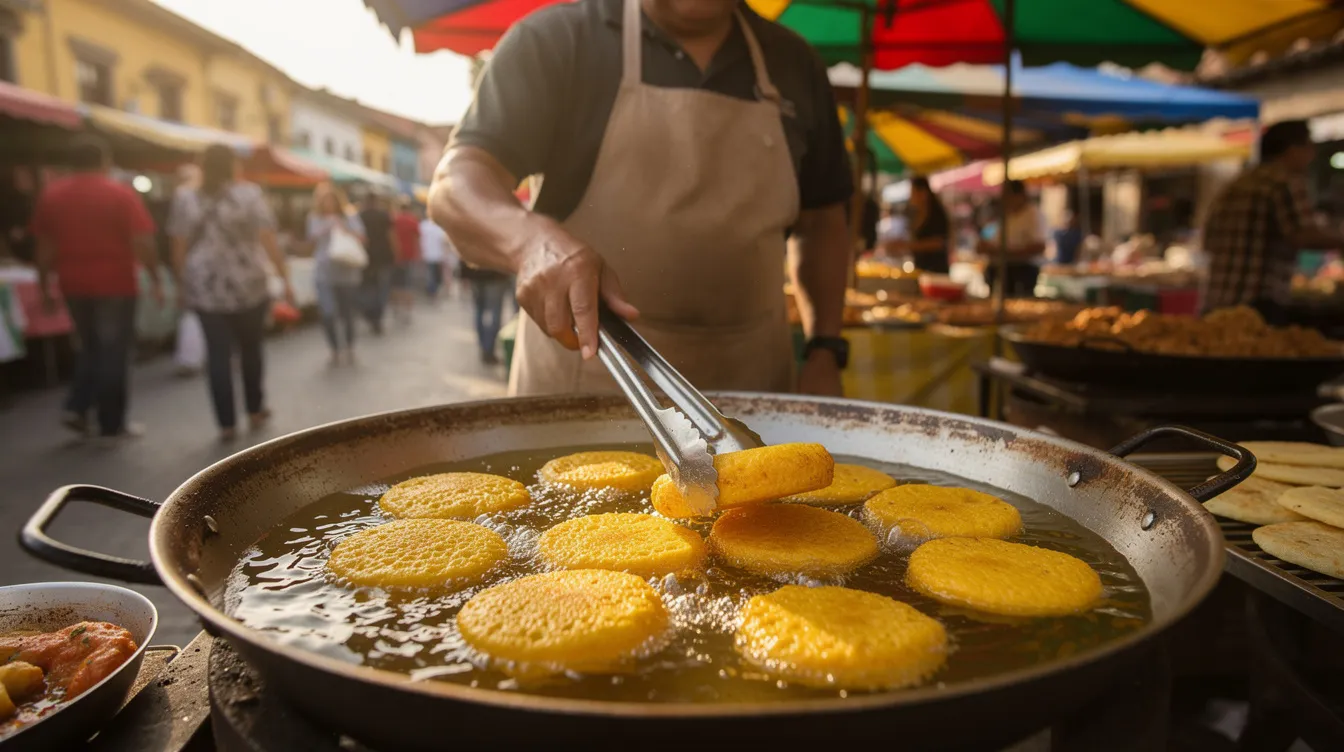
- Arepa de huevo: a must-try street food; deep-fried corn pocket filled with a whole egg, crispy outside, soft inside
- Carimañola: popular fried yuca fritters stuffed with seasoned meat or cheese
- Patacones: smashed and fried green plantains, served with hogao (tomato-onion sauce)
- Fresh fruit cups: mango, papaya, maracuyá, and tamarind, sliced and served in a bag with lime and salt
- Pandebono: warm cheese bread, best eaten within minutes of being pulled from the oven
Local food tours allow tasting traditional Caribbean-Colombian dishes. Street food tours are available to explore local cuisine, and some operators include nine tasting stops over two to three hours. Cartagena also offers rum and chocolate tasting experiences as a separate evening activity.
Find the best stalls around Plaza de la Trinidad and Getsemaní streets at night, and near the Clock Tower and Plaza de los Coches earlier in the day. Choose busy stalls with high turnover and avoid anything that has been sitting out too long.
Take a Cooking Class to Learn Colombian Caribbean Flavors
A cooking class is the best way to move beyond tasting and learn to prepare dishes like coconut rice, ceviche, and fried fish with coconut rice, which is a local favorite dish. Cooking classes in Cartagena teach authentic Colombian cuisine in hands-on sessions led by local chefs.
What to expect:
- Most classes start with a market visit (often Bazurto Market), where you buy ingredients and learn about tropical produce
- The cooking session lasts 2 to 3 hours, usually in a small group of 6 to 12 people, hosted in a local kitchen or restaurant
- Dishes commonly prepared include ceviche, coconut rice, fried fish, and lemonade with panela
- Dietary accommodations (vegetarian, gluten-free) are usually available if you request in advance
This is a strong rainy-day or midday-heat activity that fits well into a multi-day Cartagena itinerary. Check reviews and confirm whether instruction is offered in English before booking.
Wake Up With Specialty Colombian Coffee
Coffee is not grown in Cartagena’s coastal lowlands, but some of the country’s best single-origin beans are roasted and served here by specialty cafés. A cup of Colombian coffee in a third-wave shop costs COP 8,000 to COP 15,000, depending on the brew method.
Where to go:
- Café San Alberto on Plaza Santo Domingo: award-winning beans from the Quindío region, espresso bar with pour-over and cold brew options
- Libertario Coffee Roasters in the walled city: on-site roasting, cupping sessions, and a shaded courtyard
- Café del Mural in Getsemaní: small space with local art and single-origin Colombian beans
- Abaco Libros y Café: a bookstore-café hybrid in the old city with air conditioning and a quiet atmosphere for reading
Try a coffee workshop where baristas walk you through origins, brewing methods, and flavor notes. On hot afternoons, order a cold brew or a limonada de café, which blends espresso with fresh lemonade.
Experience Cartagena’s Nightlife: Rooftops, Salsa and Champeta
Cartagena’s nightlife runs from rooftop sunset drinks to 3:00 a.m. salsa floors. The city has enough variety to fill several nights without repeating a venue.
Rooftop bars in Cartagena are popular for sunset views. Café del Mar sits on the old city walls and fills up fast at golden hour; arrive by 17:00 for a seat. Alquímico, a three-story cocktail bar in the walled city, consistently ranks among South America’s best bars. El Barón on Plaza San Diego serves craft cocktails in a quieter setting.
For salsa, Café Havana is famous for live salsa music. The venue packs a dance floor of locals and tourists Thursday through Saturday nights. Donde Fidel, nearby, plays salsa and Cuban son with live bands on weekends. Beginners can take a short salsa class earlier in the evening at several schools in Getsemaní.
Champeta is Cartagena’s Afro-Caribbean sound, rooted in African rhythms brought by enslaved people centuries ago. Bazurto Social Club features live champeta music and dance lessons on weeknights. Club Seven 7 Times has seven different music rooms, spanning reggaeton, electronic, and champeta. Ask locals in Getsemaní where to find a champeta night; the best ones shift locations week to week.
Cartagena’s sunset cruises provide stunning views of the city. A sunset cruise on the bay costs roughly US $40 to US $80 per person and usually includes an open bar.
Safety at night:
- Watch your drink at all times
- Agree on taxi fares before getting in, or use ride-hailing apps
- Some rooftop bars enforce dress codes; closed shoes and no tank tops for men
Have a Beach Day in Bocagrande, Castillogrande or La Boquilla
Cartagena’s beaches are not the turquoise postcard shots you see on Instagram; those are in the Rosario Islands. But the city beaches are convenient for a quick swim, a sunset stroll, or a lazy afternoon.
Bocagrande and Castillogrande line the peninsula south of the walled city. Bocagrande’s beaches, hotels, and activities sit among high-rises, hotel pools, and a long stretch of sand with umbrellas and vendors that give it a “mini-Miami” feel. The water is murky compared to the islands, but the convenience is hard to beat.
La Boquilla, northeast of the city, offers a more local and less polished experience. This Afro-Colombian fishing village has quiet stretches of sand, mangrove access, and seafood shacks serving the day’s catch.
Beach vendor tips:
- Prices for chairs, umbrellas, and massages should be agreed in advance; COP 20,000 to COP 30,000 is typical for a chair and umbrella set for the day
- Politely decline what you do not want; a firm “no gracias” works
- Avoid leaving bags unattended
Escape to the Rosario Islands and Playa Blanca
A day trip to the Rosario Islands is the top reason many travelers say Cartagena is worth visiting. The islands sit about 20 kilometers offshore in the Corales del Rosario national park, reachable by an hour’s boat ride from Muelle de la Bodeguita, and include lesser-known spots like protected “mystery” islands near Cartagena that underscore the area’s ecological importance.
Day trips to the Rosario Islands include snorkeling and lunch. Shared full-day tours cost US $60 to US $90 per person, typically covering transport, one or two snorkel stops, lunch on an island, and time at a beach. Popular stops include Isla Grande, Isla Rosario, and Isla Cholón. Bora Bora Beach Club is a well-known spot in the Rosario Islands, leaning toward a party vibe with DJ sets and cocktails. Rosario Islands boat tours from Cartagena are a popular way to explore the archipelago, and private boat rentals start around US $350 for the day.
Playa Blanca on Isla Barú is a popular day trip destination with powdery white sand and clear water. It draws crowds, so go on a weekday or arrange a boat tour to arrive before 10:00. Agree on prices for chairs, food, and extras before sitting down; the extra cost of an umbrella and lounge chair is usually COP 30,000 to COP 50,000.
How to choose your boat:
- Group catamaran: cheapest option (US $40 to US $60), social, slower ride, stops at multiple islands with route suggestions tailored to party, family, or snorkeling trips in the Rosario Islands
- Speedboat group tour: faster, fewer stops, US $70 to US $120 per person
- Private boat: most flexibility, best for groups of 6+, US $350 and up for the full day with yacht and boat island tours around Cartagena
- Pier and park entrance fees (around US $10 cash) are usually extra regardless of tour type
Chill at Nearby Beach Clubs: Tierra Bomba and Beyond
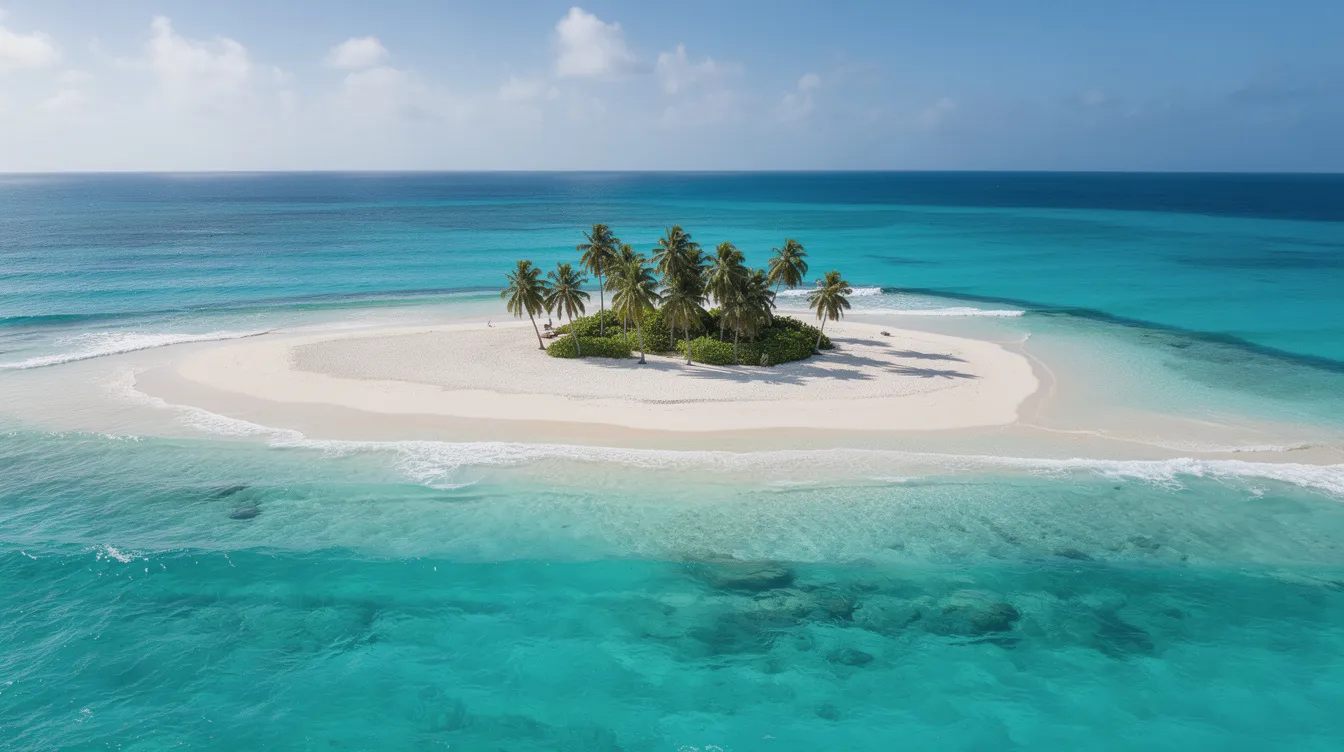
Tierra Bomba is the closest island to Cartagena, just 15 to 20 minutes by boat from Castillogrande or Manga docks. Several beach clubs operate here with day-pass packages or a Tierra Bomba Island boat tour that include round-trip boat transfer, a welcome drink, sun bed, and either a minimum spend or included lunch.
- Fénix Beach Club: infinity pool, DJ on weekends, day pass starting around US $60 to US $80
- Blue Apple Beach House: calmer atmosphere, boutique feel, packages from US $70 to US $100
These clubs are ideal for visitors who want the Caribbean feel without the longer Rosario Islands ride. They fit into a half-day or full-day plan. Book at least a few days ahead during high season (December through March).
What to pack for a beach club day:
- Reef-safe sunscreen and a hat
- Cash in small bills for tips and dock fees
- A quick-dry towel
- Seasickness medication if you are sensitive to waves; the ride is short but can be bumpy
Discover Afro-Colombian Culture in San Basilio de Palenque
San Basilio de Palenque, about an hour south of Cartagena, was the first free town in the Americas, founded by Africans who escaped slavery in the early 1600s. UNESCO recognized it in 2005 for its oral and intangible heritage, including its own creole language, music, and medicinal practices.
A guided tour of Palenque typically includes transport from Cartagena, a walk through the village with a local guide, music and dance demonstrations, stories of resistance led by Benkos Biohó, and a traditional lunch. The village is also where the iconic Palenquera women, who sell fruit in brightly colored dresses in Cartagena’s plazas, originate. Visiting Palenque gives context to their presence in the city.
Etiquette and logistics:
- Go with a responsible local guide who is from or connected to the community
- Ask before photographing anyone; buy directly from artisans rather than middlemen
- Tip your guide generously; tourism income goes directly to families
- Tours run COP 150,000 to COP 250,000 per person including transport and lunch
Explore Mangroves and Fishing Villages at La Boquilla
La Boquilla is a small Afro-Colombian fishing village just northeast of Cartagena, bordered by quiet beaches and dense mangrove forests. A half-day tour here provides a nature-focused break from the city’s heat and noise.
What to expect:
- Canoe rides through mangrove tunnels with a local fisherman as your guide
- Birdwatching (herons, pelicans, and kingfishers are common), crab-fishing demonstrations, and quiet paddling through still water
- Time on the local beach with fewer vendors than Bocagrande
- Early morning departures (7:00 to 8:00) are best for cooler temperatures and active birdlife
Wear light clothes, bring insect repellent, and combine La Boquilla with a seafood lunch prepared by locals for a deeper look at local life.
Get Muddy at Volcán del Totumo (Mud Volcano)
Volcán del Totumo is a small mud volcano about an hour northeast of Cartagena. The Totumo Mud Volcano offers a unique mud bathing experience: you climb a wooden staircase to the crater rim, lower yourself into warm, dense mud, and float. The mud is so thick that sinking is physically impossible.
Attendants inside the crater help position you, offer to take photos with your phone, and will give you a rudimentary “massage.” Afterward, local women wash the mud off in the shallow lagoon below, and a tip of COP 10,000 to COP 15,000 per service is expected.
The experience is fun and memorable for some, too touristy and chaotic for others. Go early (before 10:00) to avoid large tour groups, and adjust expectations accordingly.
Practical checklist:
- Bring an old swimsuit you do not mind staining
- Carry a plastic bag for muddy clothes
- Have small bills ready for tips (mud helpers, washers, locker attendants)
- Confirm what your tour price includes; lunch, entrance, and tips are sometimes bundled, sometimes not
Craft Your Ideal Cartagena Itinerary (2 to 5 Days)
Use these sample plans as starting points, not rigid schedules. Cartagena is a walkable city, and the best moments often happen between planned activities.
2 days (highlights only):
- Day 1: Free walking tour of the walled city and Getsemaní, lunch near Plaza Santo Domingo, walk the city walls at sunset, dinner in San Diego, drinks at Café del Mar or a rooftop bar
- Day 2: Castillo San Felipe in the early morning, gold museum, street food lunch, afternoon at a Tierra Bomba beach club, evening salsa at Café Havana
3 days (add an island trip):
- Days 1 and 2 as above
- Day 3: Full-day boat tour to the Rosario Islands or Playa Blanca with snorkeling and lunch; evening cooking class or champeta night at Bazurto Social Club
4 to 5 days (deeper exploration):
- Days 1 through 3 as above
- Day 4: Day trip to San Basilio de Palenque or La Boquilla mangroves in the morning; afternoon coffee tasting and shopping for local designers in the old city; rum and chocolate tasting in the evening
- Day 5: Mud volcano morning trip, or a second beach club day; spend time revisiting favorite plazas, trying more street food, or booking a spa afternoon
This schedule gives you time for fun things beyond the main sights: a sunset cruise on the bay, a guided tour of a specific neighborhood, or an afternoon simply sitting in a plaza with a cold beer.
Is Cartagena Safe? Essential Tips for 2026
Is Cartagena safe? In tourist zones like the walled city, Getsemaní, and Bocagrande, yes, it is relatively safe compared to many cities in South America. According to Cartagena’s 2024 statistical yearbook, total thefts dropped 9% from 2023 to 2024. During peak periods like Semana Santa 2026, the Policía Nacional deployed 3,500 officers across the city, with 300 dedicated to tourist areas.
Petty crime is the main risk, not violent crime. The numbers show that 74.1% of reported thefts involve personal belongings (phones, bags, wallets).
Do’s and don’ts:
- Keep phones and wallets in front pockets or crossbody bags
- Use registered taxis or ride-hailing apps at night; agree on the fare before getting in
- Stick to well-lit, busy streets after midnight; avoid solo walks on beaches late at night
- Common scams: surprise charges for photos with Palenqueras, unsolicited massages on the beach, and “free” samples at plazas. Always agree on prices upfront
- Solo travelers, including solo women, visit Cartagena with no issues using standard precautions; well-reviewed hostels and group tours at night are good starting points
Practical Travel Tips: Money, Weather and Best Time to Visit
Climate:
- Hot and humid year-round, averaging 27 to 32°C (81 to 90°F)
- Dry season runs roughly December through April; the best time to visit Cartagena is during the dry season from December to April
- Rainy months (May through November) bring short, intense afternoon showers rather than all-day rain; hotel prices drop and crowds thin
Best timing:
- December through March for festivals, consistent sun, and peak energy; expect higher prices and more tourists
- April, early May, and November as shoulder months with fewer crowds and better hotel deals
Money:
- Colombian peso (COP) is the currency; as of mid-2026, roughly COP 4,200 = US $1 (confirm before your trip)
- Cards are accepted at most restaurants and shops in tourist areas; cash is needed for street food, taxis, dock fees, and market purchases
- ATMs in the walled city and Bocagrande dispense COP; use bank-attached ATMs inside buildings for security
Other essentials:
- Language: Spanish is spoken everywhere; English is common in upscale hotels and tour agencies but not guaranteed elsewhere. Learn basic phrases for ordering food, greeting people, and bargaining
- Tipping: restaurants often include a 10% service charge; a small additional tip is appreciated. Tip street performers COP 2,000 to COP 5,000
- Water: tap water is not safe for visitors; drink bottled or filtered water and stay hydrated through the day
Where to Stay in Cartagena: Neighborhood Guide
Cartagena is compact enough that you do not need a rental car. Taxis and app rides between neighborhoods cost COP 10,000 to COP 25,000.
Centro Histórico (Walled City / Old Town / Old City):
- Best for first-timers and visitors who want historic charm and proximity to landmarks
- Walkable to nearly every major site; restaurants and cafés steps from your door
- Midrange options include Hotel Casa Cytia and Amarla Boutique Hotel (COP 350,000 to COP 600,000 per night)
- Luxury hotels include Casa Claver Loft Boutique Hotel and Casa Cascabel 1608 (COP 800,000+)
- República Hostel is a budget-friendly option in the old city (COP 80,000 to COP 150,000 for a dorm)
San Diego (within the walls):
- Quieter corner of the walled city, near the Café del Mar walls section and Plaza San Diego
- Great location for couples wanting a boutique hotel experience with less foot traffic than central plazas
Getsemaní:
- Best for nightlife, budget stays, and a more local atmosphere
- Budget hotels include Casa Mamá Waldy New in Getsemaní
- Casa Del Pozo Boutique House is a stylish mid-range hotel in Getsemaní
- COP 100,000 to COP 400,000 per night depending on room type
Bocagrande / Castillogrande:
- Modern high-rises, beach access, and commercial services
- Hyatt Regency Cartagena offers beachfront luxury with ocean views
- Better for families wanting pool access and air conditioning in every room
Manga:
- Quieter residential district across the bridge from Getsemaní; lower prices, more space, some local commerce
- Good for longer stays and travelers who prefer a calmer base away from tourist crowds
Beyond Cartagena: Adding San Andres or Other Caribbean Stops
San Andres island sits 775 kilometers northwest of Cartagena in the Caribbean Sea, closer to Nicaragua than to mainland Colombia. It is famous for its “sea of seven colors,” where shallows shift from turquoise to deep blue depending on depth and coral formations. Frequent flights connect Cartagena’s Rafael Núñez International Airport to San Andres in about 1 hour 40 minutes.
What San Andres adds to a Colombia trip:
- Calmer pace than Cartagena; better for snorkeling, diving, and beach relaxation
- Spend 3 to 4 days if you love water sports; the island is small enough to circle by golf cart in a day
- Providencia, a smaller and less developed island nearby, offers even quieter escapes
- For travelers visiting Colombia with more time, Medellín, the coffee region, and Bogotá provide a strong contrast to the Caribbean coast
Plan your own trip by booking Cartagena as your base and tacking San Andres onto the end. The combination covers both colonial history and Caribbean nature in a single South America itinerary.
FAQ About Visiting Cartagena, Colombia
How many days do I really need in Cartagena?
Three full days is the minimum to see the walled city, Getsemaní, Castillo San Felipe, and do one island or beach club day trip. For a more relaxed Cartagena itinerary that includes a cultural day trip to San Basilio de Palenque or La Boquilla plus time to revisit favorite spots, plan for 4 to 5 days. Digital nomads and slow travelers often stay 1 to 2 weeks, using Cartagena as a base to explore nearby attractions along the Caribbean coast.
Is Cartagena worth visiting if I’ve seen other Caribbean cities?
Cartagena is worth visiting even if you have been to San Juan or Havana. The blend of Spanish colonial architecture, Afro-Colombian culture, nearby islands, and the champeta music scene is different from anything else in the Caribbean. The ease of day trips to places like San Basilio de Palenque, the first free town in the Americas, adds a historical dimension that resort-focused Caribbean destinations lack. Anyone who enjoys history alongside nightlife and street food will find Cartagena distinct.
Can I visit Cartagena on a tight budget?
Cartagena can be done cheaply. Hostel dorms run COP 80,000 to COP 150,000 per night. Arepas de huevo cost COP 4,000 to COP 8,000. Free walking tours, free entry to the gold museum, and public beaches at Bocagrande keep costs down. Group boat tours to the Rosario Islands start at US $40 per person. Cartagena is pricier than inland Colombian cities like Medellín or Bogotá, but still affordable compared to most Caribbean resort destinations.
What should I pack for Cartagena’s heat and humidity?
Pack light, breathable clothing, a wide-brim hat, strong sunscreen (reef-safe if visiting islands), insect repellent, comfortable sandals and closed walking shoes, a refillable water bottle, and a light rain jacket for afternoon showers. Quick-dry clothing and a small daypack are useful for walking tours and island trips. Most midrange and luxury hotels have air conditioning, but pack sleepwear suited for warm nights in case your guesthouse does not.
Do I need to speak Spanish to enjoy Cartagena?
Knowing basic Spanish phrases is helpful but not essential in tourist areas. Many guides, hotel staff, and restaurant servers in the walled city and Getsemaní speak some English. Learning simple expressions for greetings, ordering food, and asking prices improves interactions and often leads to better deals at markets. Download a translation app for offline use before arriving; it is useful in taxis, at Bazurto Market, and in less touristic neighborhoods.